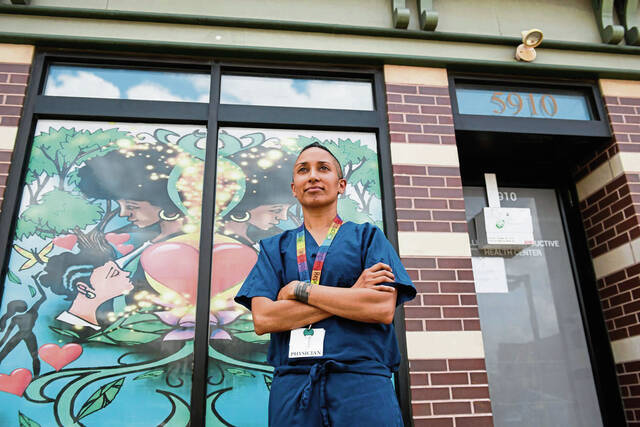
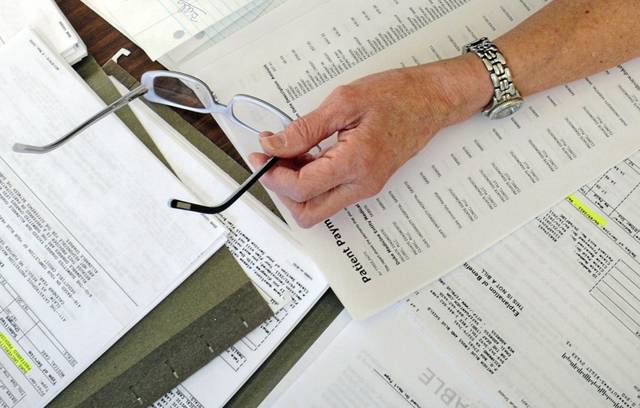
When Danni Askini, a registered nurse and two-time cancer survivor, began to feel ill — chest pains, headaches and shortness of breath – she did the right thing and immediately got tested for the coronavirus. Unfortunately, the tests came back positive. While receiving treatment, she got another shock — a bill of nearly $35,000. While this pandemic has rushed millions of Americans to doctors and hospitals, the sticker shock of out of network medical billing is not new.
Sometimes this sticker shock even comes to patients who have insurance. When people receive care from a facility or doctor outside of their insurers’ network in an emergency, most must still pay for the full procedure or examination out of pocket. This leaves patients who did the right thing — got health care coverage and sought consultation — with a bill they often cannot afford.
This surprise billing epidemic touches citizens in nearly every county across Pennsylvania. While our state Legislature has tried to find solutions to the problem, the resulting bills have received mixed responses. As coronavirus cases continue to spread, the chances of cases like Askini’s affecting our local communities will only increase. With nearly one in three Pennsylvanians being hit with surprise medical bills last year alone, something needs to be done.
There is growing recognition in Congress that this must be addressed. With the coronavirus putting pressure on healthcare providers and citizens’ wallets, a fix can’t come soon enough.
Some have put forward a legislative cure, called the Lower Healthcare Costs Act (LHCC), that proposes harmful government price controls as the solution, which they call benchmarking.
Benchmarking has been covered in several publications, but the gist of it goes like this: The government will set physician rates using the median in-network rates for such procedures. By doing this, some believe that patients will come off the hook for unnecessarily high bills in these situations.
However, as a former member of the House Energy & Commerce Committee, I am all too familiar with the biggest problem with benchmarking, which is the damage it will do to the doctor shortage in the U.S.
If the government begins basing out-of-network billing costs off the median in-network-rate of medical care, it will create perverse incentives that will harm patients. The end result will be some insurers cutting higher-priced doctors out of their networks entirely just to lower the median in-network rate price control. Patients would get stuck with less choice and inferior care in the process.
In March, United Healthcare, the nation’s largest insurer, already started doing just this — narrowing its coverage networks to save money. Passing the LHCC’s benchmarking will encourage similar behavior in the future — limiting coverage options for the American people at a time when this pandemic has already put significant strain on Pennsylvanians’ accessibility of care.
Thankfully, lawmakers have proposed an alternative cure to surprise billing as well. Instead of establishing new price controls, some have suggested establishing an Independent Dispute Resolution (IDR) mechanism. An arbiter would negotiate out of network bills with insurers and hospitals rather than have prices dictated by a government formula.
Our hard-working families deserve a health care system that offers the best care at competitive rates. In fighting against surprise medical billing in our dysfunctional health care market, the government has the potential to make a bad situation worse. We should not cede more control of the U.S. health care system to the government, but instead encourage the Pennsylvania congressional delegation to implement solutions that put the interests of consumers first.
Ryan Costello is a former Republican U.S. representative from Pennsylvania.