Can we ever really be too ethical? Especially when it comes to running for office?
Can we be too transparent about where the money for our campaigns comes from? Can we be too honest about where it is going?
Campaign finance regulations tell us all of that. They provide a window into the support for a candidate that tells us if he really is for the little guy or if his funding is coming from the same industries he says he will regulate.
If a candidate claims to be for clean air and water but his reports show checks from the major environmental offenders, that’s something the voters might want to know. If a pro-life candidate is banking deposits from pro-choice organizations, that might sway support.
If, as the U.S. Supreme Court has said, money can be construed as speech, the voters have a right to know who is doing the talking.
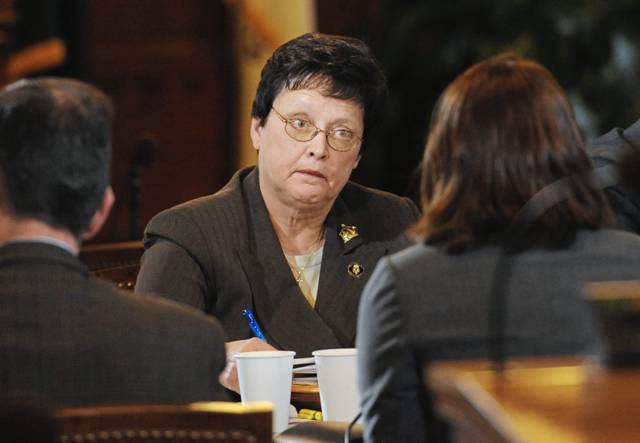
Pittsburgh City Councilwoman Darlene Harris is bucking one level of that oversight in her re- election campaign. While her attorney Jim Burn said she consistently files state-mandated reports with Allegheny County, she will not file the disclosures required by the Pittsburgh Ethics Hearing Board. She did the same in her 2017 mayoral run.
She has been fined before for noncompliance and refused to pay. She is not the only candidate to ever bristle at the reports. Others have been fined, too. According to Burn, Harris takes issue with the board, calling it unconstitutional, and with the requirement, calling it unenforceable.
He calls it a “dangerous precedent” that could lead to other communities setting up their own campaign finance rules, leading to fewer candidates seeking office and disenfranchising voters. The rule asks for more frequent reports than the state and follows federal donation limits.
Pittsburgh is not the only Pennsylvania municipality that requires such filing. Philadelphia has a campaign finance law that applies to city elected offices, including mayor and city council members. It has been in effect since January 2007.
But why the problem? Is monthly accounting for campaign money that onerous? Is transparency that hard? Wouldn’t making the reports more regularly make the state-required paperwork more easily assembled?
As we head into Sunshine Week March 10-16, a celebration of freedom of information and light in the dark corners, it would be nice to see everyone embrace the opportunity to pull back the drapes.