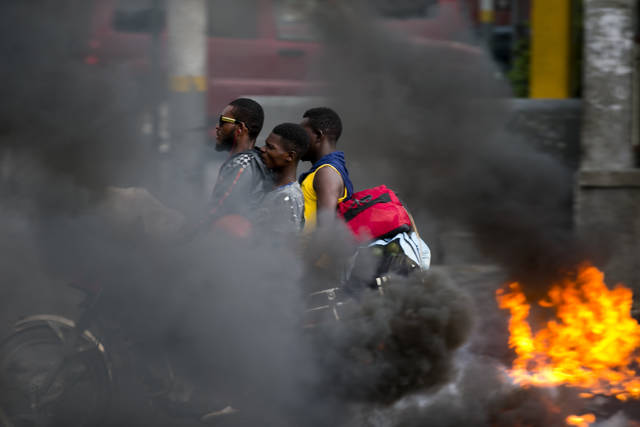
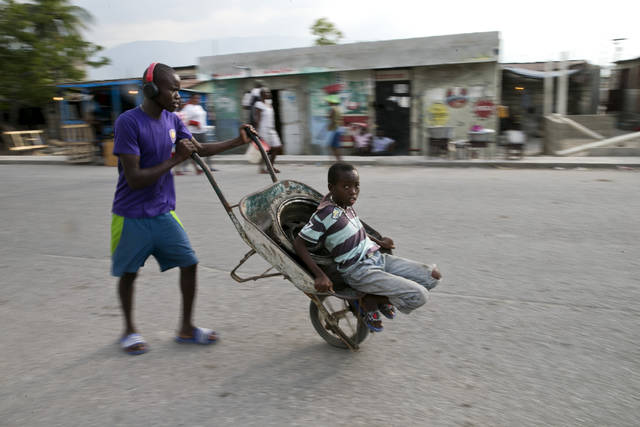
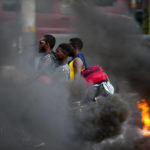


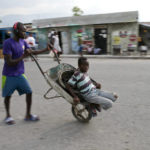
Port-au-Prince — The flaming barricades are mostly gone, protesters have largely dissipated and traffic is once again clogging the streets of Haiti’s capital, but hundreds of thousands of people are now suffering deep economic aftershocks after more than two months of demonstrations.
The protests that drew tens of thousands of people at a time to demand the resignation of President Jovenel Moïse also squeezed incomes, shuttered businesses and disrupted the transportation of basic goods.
“We are nearing a total crash,” Haitian economist Camille Chalmers said. “The situation is unsustainable.”
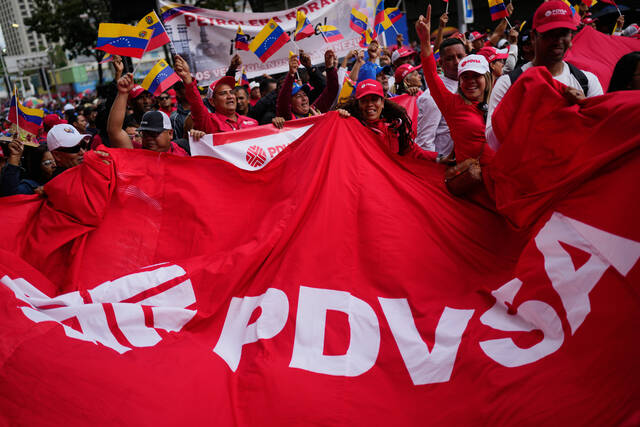
Haiti’s economy was already fragile when the new round of protests began in mid-September, organized by opposition leaders and supporters angry over corruption, spiraling inflation and dwindling supplies, including fuel. More than 40 people were killed and dozens injured as protesters clashed with police. Moïse insisted he would not resign and called for dialogue.
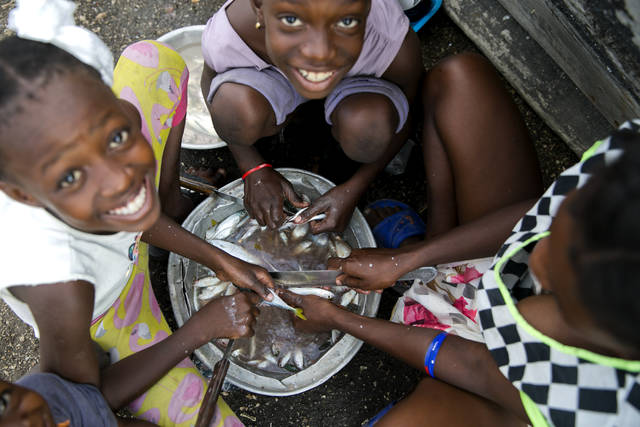
The United Nations World Food Program says a recent survey found that one in three Haitians, or 3.7 million people, need urgent food assistance and 1 million are experiencing severe hunger. The WFP, which says it is trying to get emergency food assistance to 700,000 people, blames rising prices, the weakening local currency, and a drop in agricultural production due partly to the disruption of recent protests.
In the last two years, Haiti’s currency, the gourde, declined 60% against the dollar and inflation recently reached 20%, Chalmers said. The rising cost of food is especially crucial in the country of nearly 11 million people. Some 60% make less than $2 a day and 25% earn less than $1 a day.
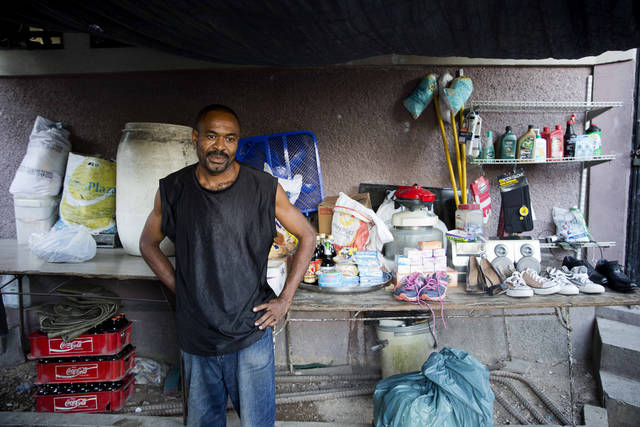
A 50-kilogram (110-pound) bag of rice has more than doubled in price in the local currency, said Marcelin Saingiles, a store owner who sells everything from cold drinks to cookies to used tools in Port-au-Prince.
The 39-year-old father of three children said he now struggles to buy milk and vegetables.
“I feed the kids, but they’re not eating the way they’re supposed to,” he said, adding that he has drained the funds set aside for his children’s schooling to buy food.
A growing number of families across Haiti can’t even afford to do that since the protests began, with barricades preventing the flow of goods between the capital and the rest of the country.
Many of those live in Haiti’s rural areas, which also have been hardest hit by demonstrations that continue in some cities and towns.
Wadlande Pierre, 23, said she temporarily moved in with her aunt in the southwest town of Les Cayes to escape the violent protests in Port-au-Prince. However, she had to move back to the capital because there was not gas, power or water in Les Cayes, and food was becoming scarce.
“There is no access to basic items that you need,” she said.
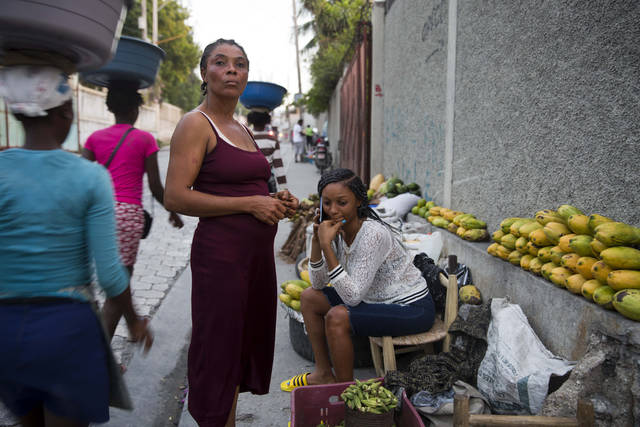
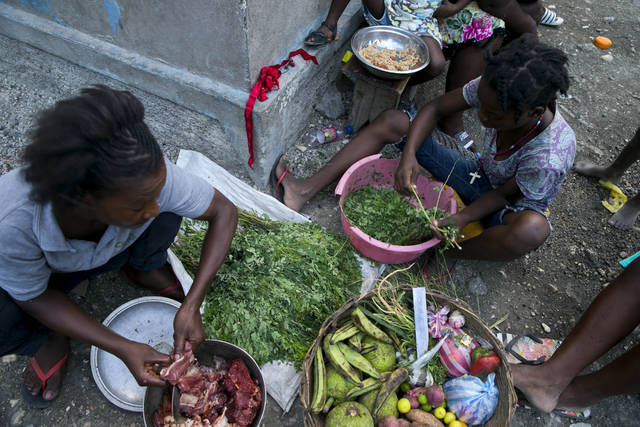
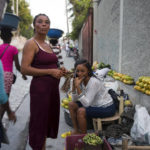
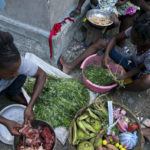
Pierre is now helping her mother, Vanlancia Julien, sell fruits and vegetables on a sidewalk in the neighborhood of Delmas in the capital.
Julien said she recently lost a couple hundred dollars’ worth of produce because she could not go out on the street to sell due to the protests.
“All the melon, avocado, mango, pineapple, bananas, all of them spoiled,” she said.
Last year, sales were good, but she is now making a third of what she used to earn before the protests began, even though streets have reopened.
“That doesn’t amount to anything,” she said. “The fact that people don’t go out to work, it’s less people moving around and makes it harder for me.”
That also means businesses like the small restaurant that 43-year-old Widler Saint-Jean Santil owns often remain empty when they used to be full on a regular afternoon.
He said the protests have forced many business owners to lay off people, which in turn affects him because clients can no longer afford to eat out.
“If people are not working, there is no business,” he said.
Among the businesses that permanently closed was the Best Western Premier hotel, which laid off dozens of employees.
Chalmers warned that economic recovery will be slow if the political instability continues, adding that the situation is the worst Haiti has faced in recent history.
“A lot of crises came together,” he said. “Not only the economic one, but the political and fiscal ones.”