
Jesy Murcko spent Saturday clearing brush from a hillside at her family’s camp in the Allegheny National Forest, so she wasn’t surprised to find a tick on her.
She wasn’t crazy, however, about finding two ticks on her 2-year-old son Wade, who was playing in short grass near the woods most of the day.
“We stopped working around 4 or 5 p.m. and got them off Wade around 9 p.m., so they were probably on him for a few hours,” said Murcko, of New Brighton.
As someone who grew up playing in the woods, Murcko recognizes that ticks are just a part of life in Western Pennsylvania.
“Also, being a veterinarian tech, I know you can get them anywhere, not just in the woods,” she said. “Wade had one when he was around 1 year old, I believe.”
Being proactive and checking for ticks after being outdoors is the best way to prevent tick-borne illnesses. State environmental officials this spring started a five-year “environmental surveillance” of ticks to assess the risk they pose across Pennsylvania.
The survey is taking place in every county to track ticks’ habitats, life stages and peak activity, and to test them for human pathogenic diseases.
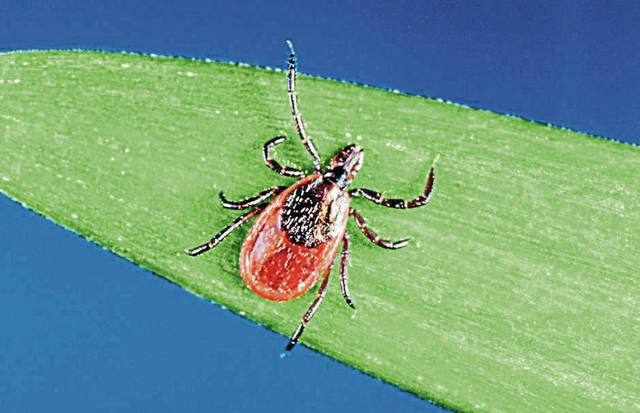
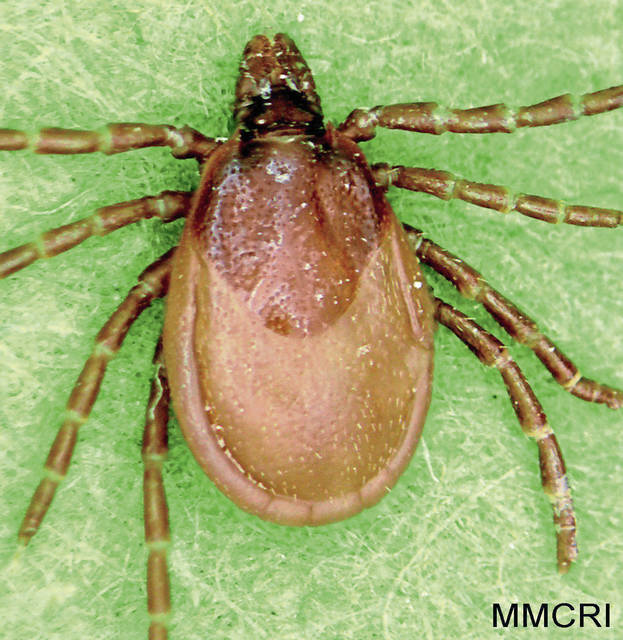
Officials in 38 counties, including Westmoreland and Allegheny, also are conducting a specific survey of nymph-stage blacklegged ticks — the primary vector of Lyme disease in the state.
That survey has begun, according to Beth Rementer, spokeswoman for the state’s Department of Environmental Protection.
Rementer cautioned that ticks aren’t just in the woods.
“They’re in parks, on playgrounds and on hikes,” Rementer said. “Taking the few extra steps while you’re outside enjoying the outdoors is very important as we head into peak tick season.”
Murcko said that even though she’s been dealing with ticks for years, she still worries for her two boys.
“What if I miss one? Or I find it too late and my son has Lyme disease for the rest of his life?” she said. “But I also know being aware and checking can hopefully extremely decrease that possibility. As a mom, though, you always worry about your kids.”
This past fall and winter, state surveillance of ticks focused on analyzing adult blacklegged ticks to try and identify shifts in their habitats in public places like parks, playgrounds and recreational fields.
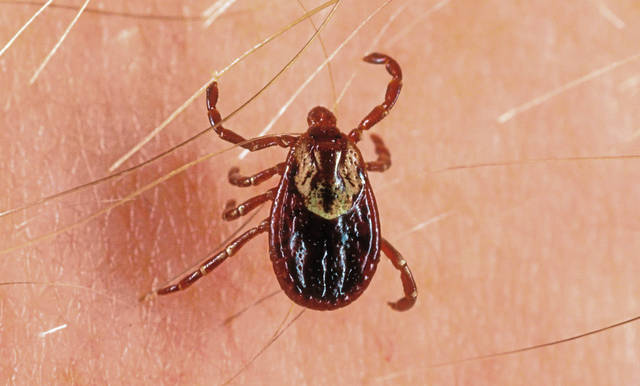
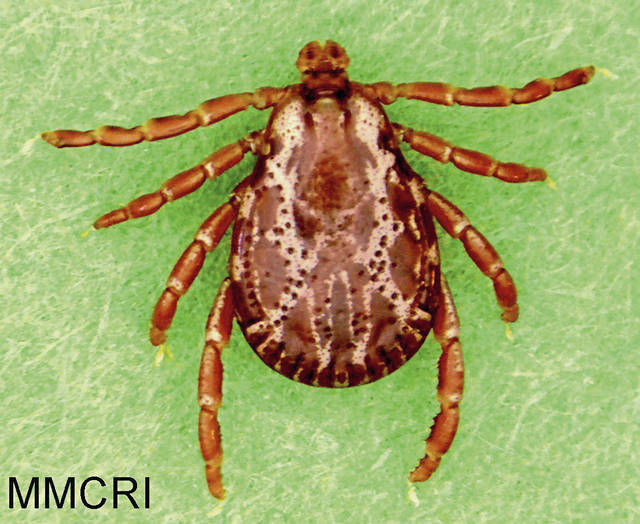
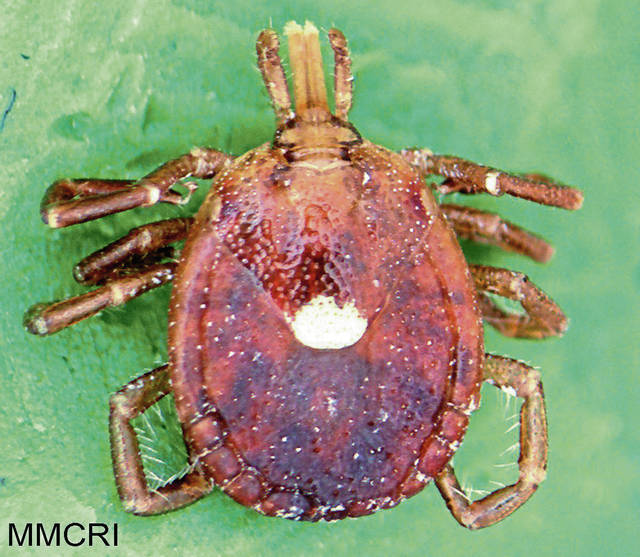
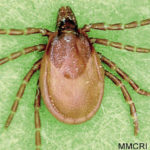
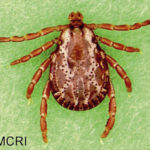
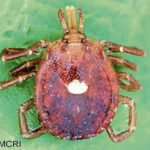
Spring and summer surveillance will focus on collecting immature blacklegged ticks, adult American dog ticks (which transmit Rocky Mountain spotted fever and tularemia) and adult Lone star ticks (which transmit ehrlichiosis in addition to tularemia). In Harrisburg on Thursday, Dr. Rachel Levine, the state Health Department secretary, will demonstrate how tick collection will take place at the Boyd Big Tree Preserve Conservation Area.
Since July 2018, DEP officials have collected more than 3,600 adult blacklegged ticks for testing. The focus now will shift to the youngsters.
“The nymphal stage of the blacklegged tick’s lifespan overlaps with people enjoying the outdoors in the spring and summer,” said DEP Secretary Patrick McDonnell. “Tracking and testing them at this stage is extremely important because it will allow us to more accurately pinpoint when and where risk of human illness is most prevalent and help prevent cases of Lyme disease in the future.”