State lawmakers Tuesday moved to delay — and eventually kill, they hope — a planned funding change that could severely reduce subsidized rides to doctors offices and other medical appointments for the poor and elderly in Pennsylvania.
Two pending bills, one each in the Senate and House, would postpone a program authorized last year to give oversight of the state’s medical assistance transportation program to private brokers to dole out state and federal money to vendors that operate local services.
“This is the biggest change in more than 20 years, and we should have a hearing on it first,” said state Rep. Eric Nelson, R-Hempfield. He is one of more than 50 co-sponsors of the proposed legislation to delay the change.
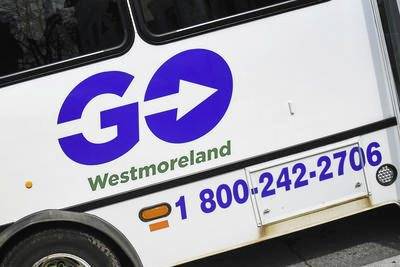
Money for medical assistance transportation now is dispersed to counties to administer and pay for programs that offer subsidized rides to low-income residents for medical purposes. Such a program accounts for more than half of nearly 200,000 trips taken last year by Go Westmoreland, the county’s shared-ride paratransit program.
Westmoreland County Transit Authority administers the local paratransit program. Alan Blahovec, executive director of the authority, said the funding change could potentially remove the county agency as the local provider, leaving the agency without enough money to operate the remaining shared-ride programs at their current levels.
Go Westmoreland provides door-to-door transportation to residents as part of a number of social service programs for low income, elderly and disabled residents.
“If we don’t have the medical assistance transportation program, it will create lots of problems. The entire (paratransit) program will either have to be cut back or fares will have to be raised,” Blahovec said.
Medical assistance funding represents nearly two-thirds of the authority’s $5.5 million paratransit budget, officials said.
State lawmakers actually voted to implement the change as part of last summer’s budget vote when the broker system for medical assistance transportation funding was enacted.
Nelson said the program was inserted at the 11th hour and lawmakers did not understand the implications of the vote.
The pending legislation in both the House and Senate would delay implementation until lawmakers get a better understanding of its impact on local paratransit systems.
“It’s been an extremely organic resistance movement to seek a delay. We need an opportunity to fully vet this concept,” Nelson said.
Officials said the state Department of Human Services has solicited proposals from private brokers and could start awarding contracts this summer.
“Once those contracts are awarded, there’s no going back,” Nelson said.