
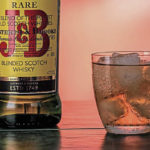
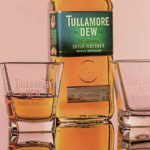
You may have found yourself, at one time, doing a double take at a liquor store. Yes, if you’re a whisk(e)y fan, you may have noticed some brands are spelled with an “e” while others skip the extra vowel.
But why?
In short, it has to do with a particular brand’s country of origin.
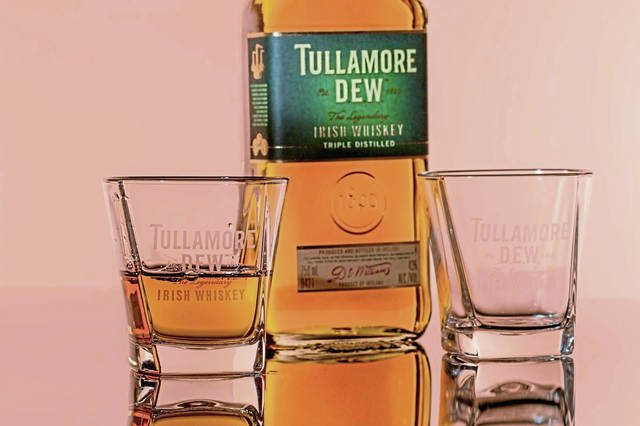
Generally speaking, Irish whiskeys add the extra “e.” Likewise, the United States, with its heavy Irish heritage, typically spells whiskey with the extra letter, as well.
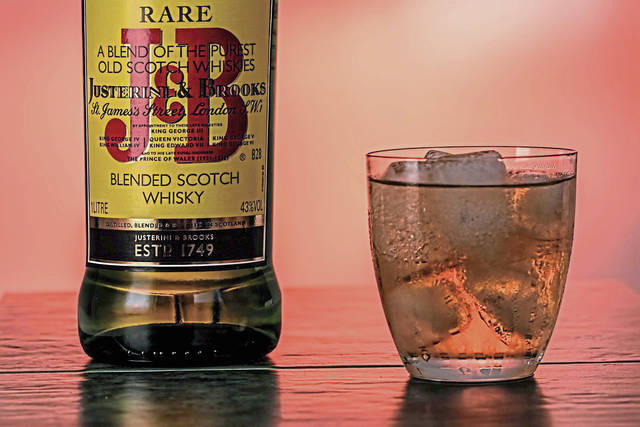
Scottish distillers prefer “whisky” — without the “e” — as do other major distillers in Canada and Japan.
A few notable exceptions to this rule include American brands Maker’s Mark and George Dickel, which refrain from using the “e.” In the case of Maker’s, this omission was a nod to the brand’s founding Samuels family’s Scottish ancestry, according to Scotchwhiskey.com.
Another notable exception to this rule: legal usage. The Bureau of Alcohol, Tobacco and Firearms (BAFT) uses “whisky” as the correct legal term.
When pronouncing the two spelling variations, you won’t recognize a difference. However, in written form the two can cause confusion. According to online culinary website The Kitchn, an easy way to remember is that, of the major distillers, countries with an “e” in their name, like Ireland and the United States, also add an “e” to whiskey. Canada, Scotland and Japan don’t have an “e” in their name and leave out the “e” in whisky.
While we’re at it, is also worth noting that the written plurals are also different. Whiskey becomes whiskeys, while the plural of whisky is whiskies.
It’s thought that this spelling variation can be traced back to the Irish or Gaelic words for whiskey — usquebaugh — which translates to “water of life.” Uisge meaning water, and beatha meaning life. But some experts also say that the Irish wanted to differentiate their product from the poorer quality Scotch whisky product of the 1800s. In other words, it might have all just been a marketing gimmick. Today, both are regarded as great spirits.
Is there a difference in product?
Not really. Irish whiskeys, by law, are required to be triple distilled, while in Scotland and the United States, whiskeys are typically distilled two times, but there are exceptions. It would be wrong to say all whiskeys and all whiskies are alike. The difference between whiskey and whisky, really just depends on country of origin.
Now, that you made it through all of that, go ahead and relax with a nice Irish whiskey — or a Scottish whisky.
You’ll enjoy it no matter how it’s spelled.