



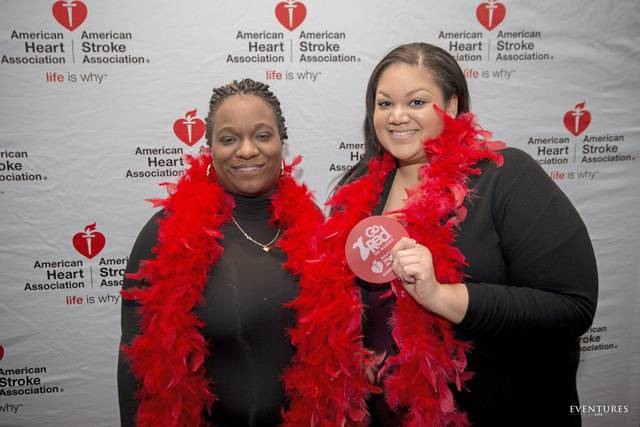





Putting the focus on women’s heart health is the goal of the annual National Wear Red Day on Feb. 1. This day is a major campaign for the Go Red for Women initiative of the American Heart Association. It’s a comprehensive platform designed to increase women’s heart health awareness and serve as a catalyst for change to improve the lives of women globally.
Heart disease is the number one killer of women. Heart disease and stroke cause nearly 1 in 3 deaths among women each year. Eighty percent of cardiac and stroke events may be prevented with education and lifestyle modifications.
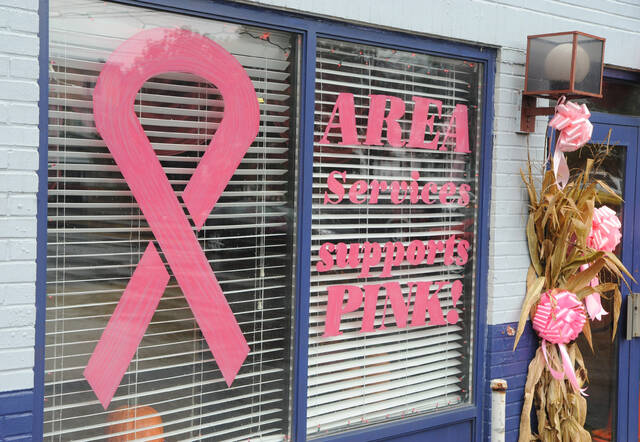
“It is important to wear red, because it signifies to heart disease what pink does to breast cancer,” says Dr. Venkatraman “Srini” Srinivasan, an interventional cardiologist based in Natrona Heights with an office in New Kensington and West Penn Hospital, in Bloomfield, where he is also chief, division of cardiology: “And what better color than red to represent the heart? I always ask my patients, ‘Do you know your numbers?’ ”
Those numbers include blood pressure, blood sugar and cholesterol.
“We also talk about fat,” he says. “Sugar is the new fat. We also talk about exercise. Simple steps such as walking more or using a stand-up desk can help. Also, eating a balanced diet with lots of fruits and vegetables is important. Don’t stop at a fast food drive-through and then sit in front of the television all night. Don’t smoke and get regular checkups.”
Not only a man’s disease
Women are more likely to die of heart disease than breast cancer.
Traditionally, heart disease had been considered to be a “man’s disease” says Excela Health cardiologist Maliha Zahid. “That is no longer the case. The importance of heart disease in women and the differences and challenges they present are being recognized widely now.”
She says women can minimize their risk of heart disease with some key lifestyle choices. Maintaining body weight in the ideal range is important and can be achieved through diet and exercise. A healthy diet would be rich in vegetables, fruits and legume intake. Exercise goal should be a minimum of 30 minutes of exercise three times per week at a level high enough to result in sweating, shortness of breath and heart racing.
“Symptoms of a heart attack can range from no symptoms, to chest pain or pressure that may or may not radiate to the neck jaw or arms,” she says. “It may just present as episodic shortness of breath and/or fatigue and exercise intolerance. In women, symptoms are more likely to be atypical and unusual.”
Zahid says the Go Red for Women cause is especially important since it means no longer ignoring a woman’s risk or symptoms of heart disease and gives it due importance and recognition, “which brings us one step closer to healthier lives for all. “
Weight control
Dr. Katie Berlacher, director of the Magee Women’s Heart Program in Oakland, part of the UPMC Heart and Vascular Institute, says diet changes are a good place to start such as limiting food high in sodium, sugary drinks and processed foods.
“Women generally have higher BMI and are more obese than men in the United States,” she says. “So it’s important to control your weight, because high sodium foods can increase blood pressure and there are many empty calories in sugary drinks. Sometimes one drink can equal the calories you would intake for lunch.”
She says for women to be aware of the little treats they give themselves throughout the day, because those calories and fat and sugar can do damage over the long run. She also stresses the importance of knowing your blood pressure, blood sugar and cholesterol numbers
“Try to be preventative and not reactive,” she says. “Women may or may not have chest pain but might have arm or neck or ear pain or experience shortness of breath. Women also might experience symptoms when they are emotionally sad or upset.
“A lot of women are the primary caregivers for children, as well as aging parents and also many work full time and often don’t take care of themselves. But they can’t take care of others if they don’t first take care of themselves.”
She says women go for annual Pap tests and mammograms, but skip other important preventative appointments.
“The Go Red For Women movement is making progress, but still behind what the color pink and breast cancer have done,” she says. “I will definitely be wearing red on Feb. 1. We still have a long way to go.”
JoAnne Klimovich Harrop is a Tribune-Review staff writer. You can contact JoAnne at 724-853-5062, jharrop@tribweb.com or via Twitter @Jharrop_Trib.